

Dr. Evelyn R. Carter Pushes Back on Post-Racial Narrative, Says Racism Remains Deeply Embedded in U.S. Systems
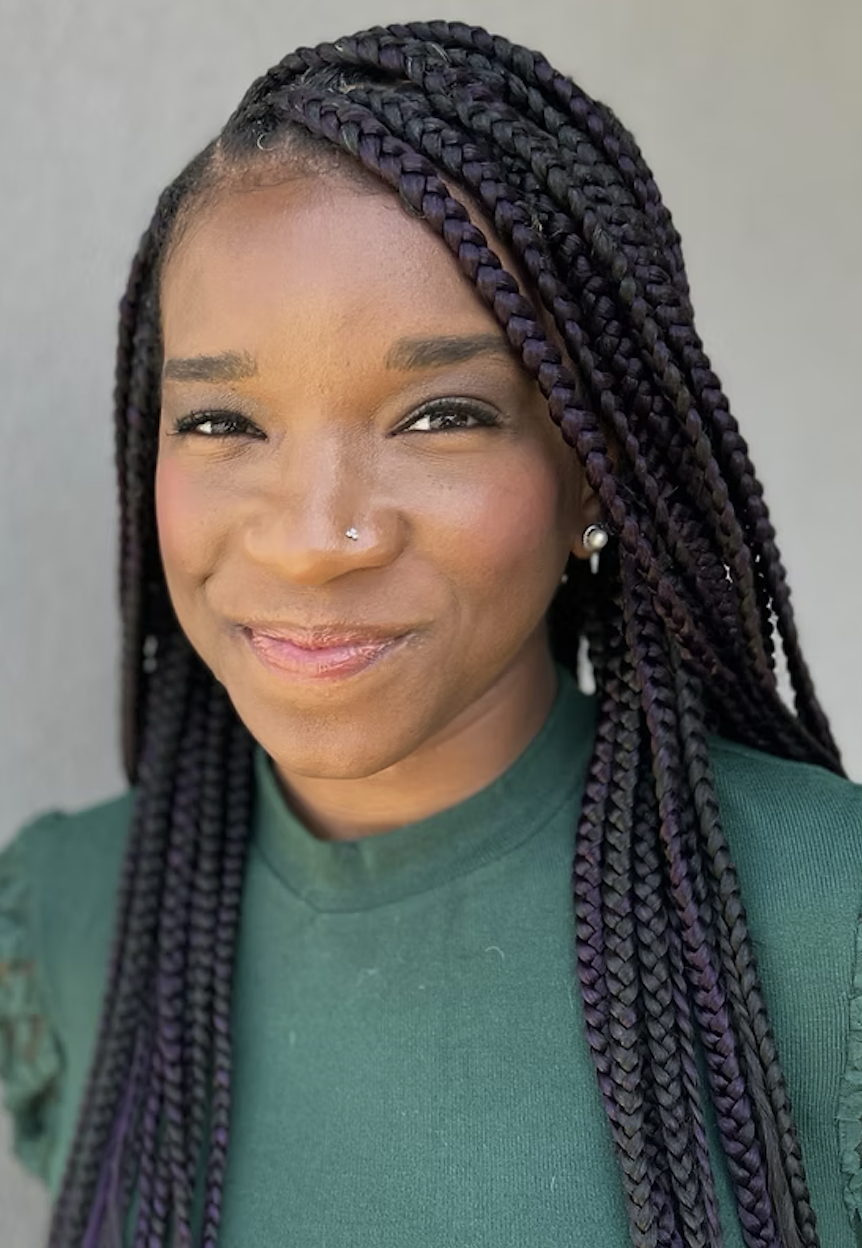
Evelyn R. Carter
DEI expert points to persistent disparities across housing, education, and healthcare to challenge the idea that America has moved beyond racial inequality
LOS ANGELES, CA, UNITED STATES, April 23, 2026 /EINPresswire.com/ -- Despite growing narratives that the United States has moved beyond its history of racial inequality, researcher, DEI leader, and organizational consultant Dr. Evelyn R. Carter is challenging that assumption, arguing that racism remains deeply embedded in American systems and everyday life.
“Racism is not over,” Carter says. “We are not living in a post-racial society. The idea itself ignores the reality millions of Americans face every day.”
Racial disparities across the United States remain significant. Black homeownership trails white homeownership by nearly 30 percentage points, and homes in majority-Black neighborhoods are undervalued by $156 billion. Districts serving mostly students of color receive about $23 billion less in funding each year, while Black workers earn roughly 80 cents for every dollar earned by white workers. Disparities also persist in the justice and healthcare systems, with higher incarceration rates and maternal mortality among Black Americans.
These disparities, from housing to education, reflect a system that continues to shape opportunity.
According to Carter, the election of Barack Obama in 2008 fueled widespread belief that the country was entering a new era of racial progress. For many, it symbolized hope and possibility.
However, Carter argues that belief came too soon and overlooked deeper structural realities.
“The Obama era brought the possibility of change,” she explains. “ But what followed revealed something else. Racial progress in America is often followed by an intense period of backlash.”
Carter points to the political rise of Donald Trump as part of that historical pattern. “It should be very clear now that what we saw in the Obama era was not the end of racism. If anything, what people used to whisper behind closed doors is now said out in the open and rarely challenged," she explains.
Historically, Carter notes, periods of civil rights advancement have often been followed by resistance and regression.
“This cycle is not new,” Carter says. “Every time America moves forward on race, there is a counter-effort to reinstate norms of Whiteness and racial inequity. We can reject this counter-effort by each of us— individually and collectively—taking action.
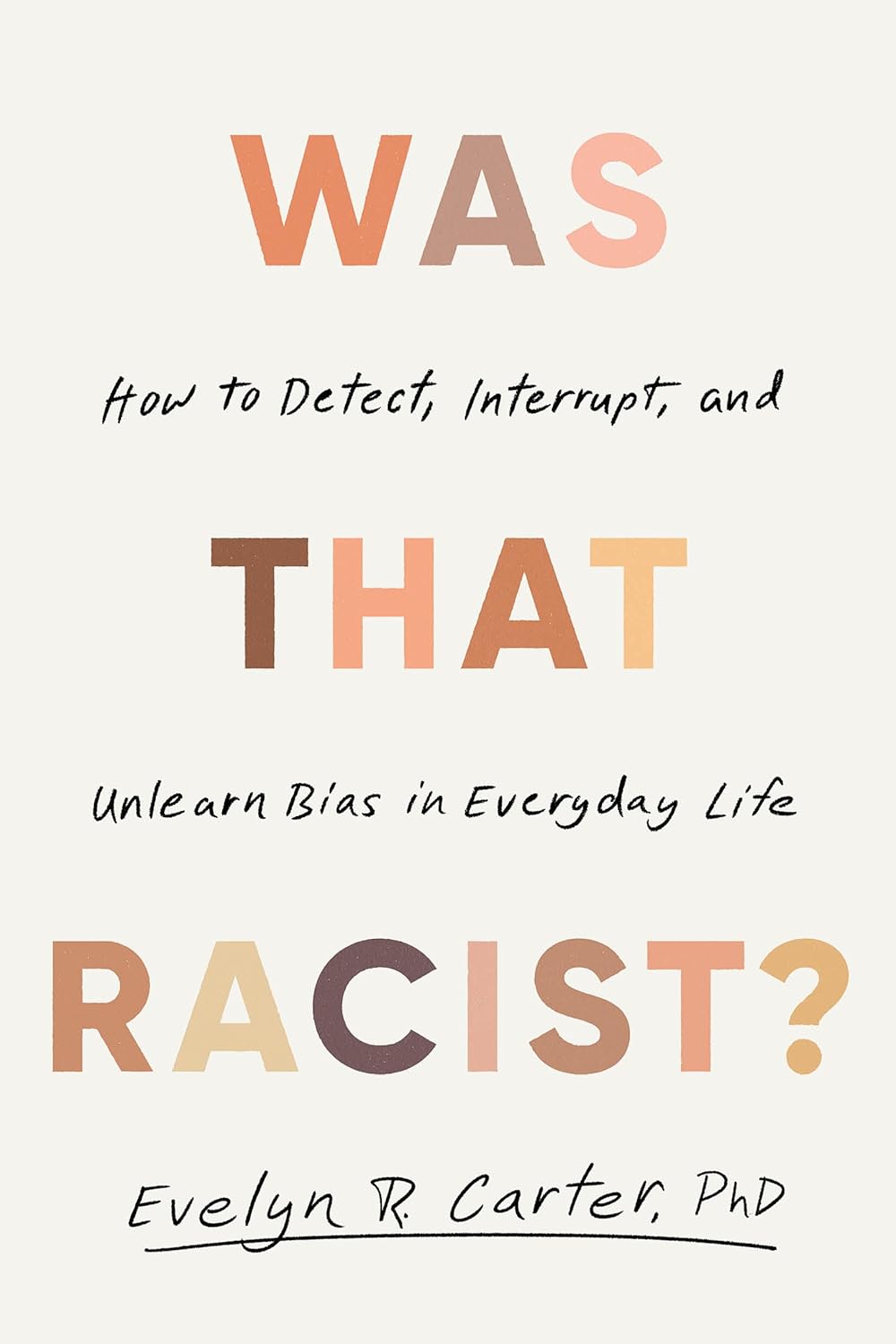
Carter expands on these ideas in her book, Was That Racist?: How to Detect, Interrupt, and Unlearn Bias in Everyday Life, where she challenges individuals to rethink what they believe they know about racism and to confront a central question: how do we combat racism in a world increasingly determined to deny its existence?
In the book, Carter frames racism as a system, one that continues to uphold Whiteness as the preferred societal standard, often in ways that go unnoticed by those not directly impacted.
“To hold the line against racism, we need to know it when we see it,” Carter concludes. “And as the dominant racial group in our society, White people must take up that responsibility. Pretending racism no longer exists doesn’t solve the problem; it protects it. Real change begins with awareness, and from there, action.”
About the Author
Dr. Evelyn Carter is a social psychologist and DEI consultant who studies how people detect and discuss racial bias and how to do both more effectively. With over 15 years of experience across industries, including higher education, tech, finance, retail, and professional sports, she is known for bridging academic research with real-world application. Her work, funded by the National Science Foundation, has been published in peer-reviewed journals and major media outlets. Carter’s approach combines evidence, empathy, and clarity to make complex ideas accessible and actionable. She is the recipient of the Little, Brown Spark New Voices Award and author of Was That Racist?: How to Detect, Interrupt, and Unlearn Bias in Everyday Life.
To learn more about Carter and her work, visit: https://www.evelynrcarter.com/
Dr. Evelyn R. Carter is available for interviews.
Amanda Kent
Boundless Media USA
+1 313-403-5636
email us here
Legal Disclaimer:
EIN Presswire provides this news content "as is" without warranty of any kind. We do not accept any responsibility or liability for the accuracy, content, images, videos, licenses, completeness, legality, or reliability of the information contained in this article. If you have any complaints or copyright issues related to this article, kindly contact the author above.
